
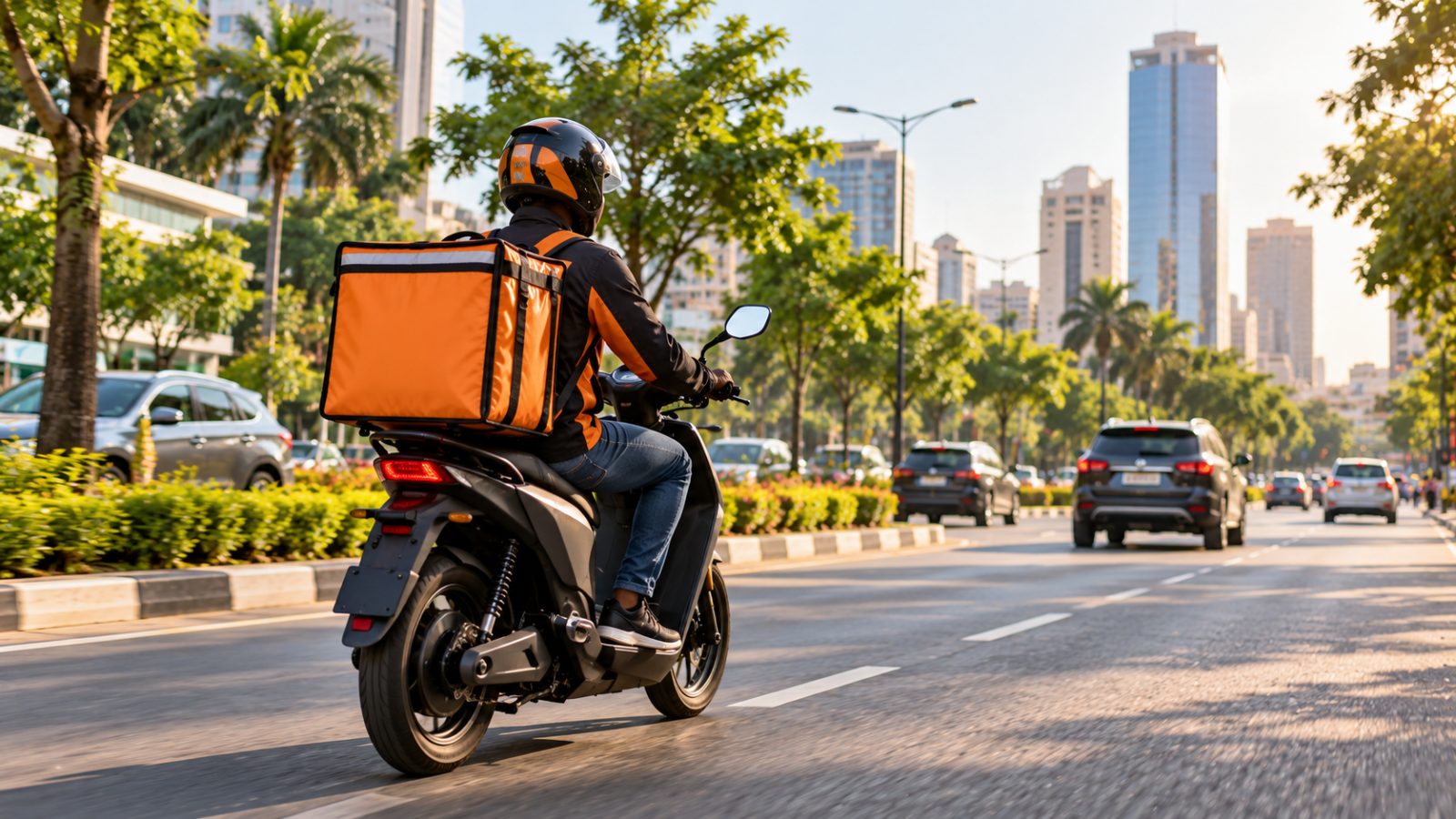
The last mile is the final stretch of a delivery, from a local hub or shop to the customer's door. It is usually the most expensive part of the whole journey per kilometre, and in African cities it is growing quickly as more people order food, medicine, groceries and goods through apps and social media. Most of that growth is carried by motorbikes, tricycles and small vans weaving through congested streets.
Why the last mile matters for climate goals
Nigeria has set a target of reaching net zero emissions by 2060 through its Energy Transition Plan, and the Climate Change Act of 2021 gives that commitment a legal footing. Transport is one of the largest sources of emissions in the country, and city deliveries are a fast-growing part of it.
The last mile also has a direct effect on the air people breathe. Older two-stroke and poorly maintained engines idling in traffic release fumes and fine particles right where people live, walk and trade. Cleaner deliveries are a public health question as much as a climate one.
What is already changing
Across African cities, electric motorbikes for delivery riders have moved from pilot projects into early commercial use, often through leasing or battery-swap models that spread the upfront cost. For short, predictable urban rounds an electric bike can be cheaper to run than a petrol one, especially when fuel prices rise. CNG is also being used for some vans and tricycles in Nigeria, cutting tailpipe emissions compared with petrol.
The changes that cost little
Vehicles are only part of the answer. Some of the most effective changes are about organisation rather than technology. Grouping deliveries by area so riders make several drops in one trip, using small neighbourhood hubs so long rides are replaced by short ones, and offering customers a choice of slightly slower delivery so orders can be combined all reduce kilometres travelled. Digital platforms that match riders and vans with nearby jobs help reduce empty trips back to base.
The data gap
One of the biggest barriers is that very little is measured. City authorities often have no clear picture of how many delivery vehicles are on their roads, how far they travel or what they emit, which makes it hard to plan charging points, loading bays or clean air zones. Businesses rarely track emissions per delivery, so they cannot easily see which changes are working.
Closing that gap does not need expensive systems. Delivery platforms already record pickups, drop-offs and distances, and smaller operators can start with simple trip and fuel logs. Shared, well-organised data would let cities and companies make decisions based on evidence rather than guesswork.
A practical path
Net zero by 2060 can feel far away, but the last mile is one place where progress can start now, with tools that already exist and changes that often save money. Operators that begin measuring their deliveries, fill their vehicles better and test cleaner options on suitable routes will be ready for the stricter standards and customer expectations that are on the way.