
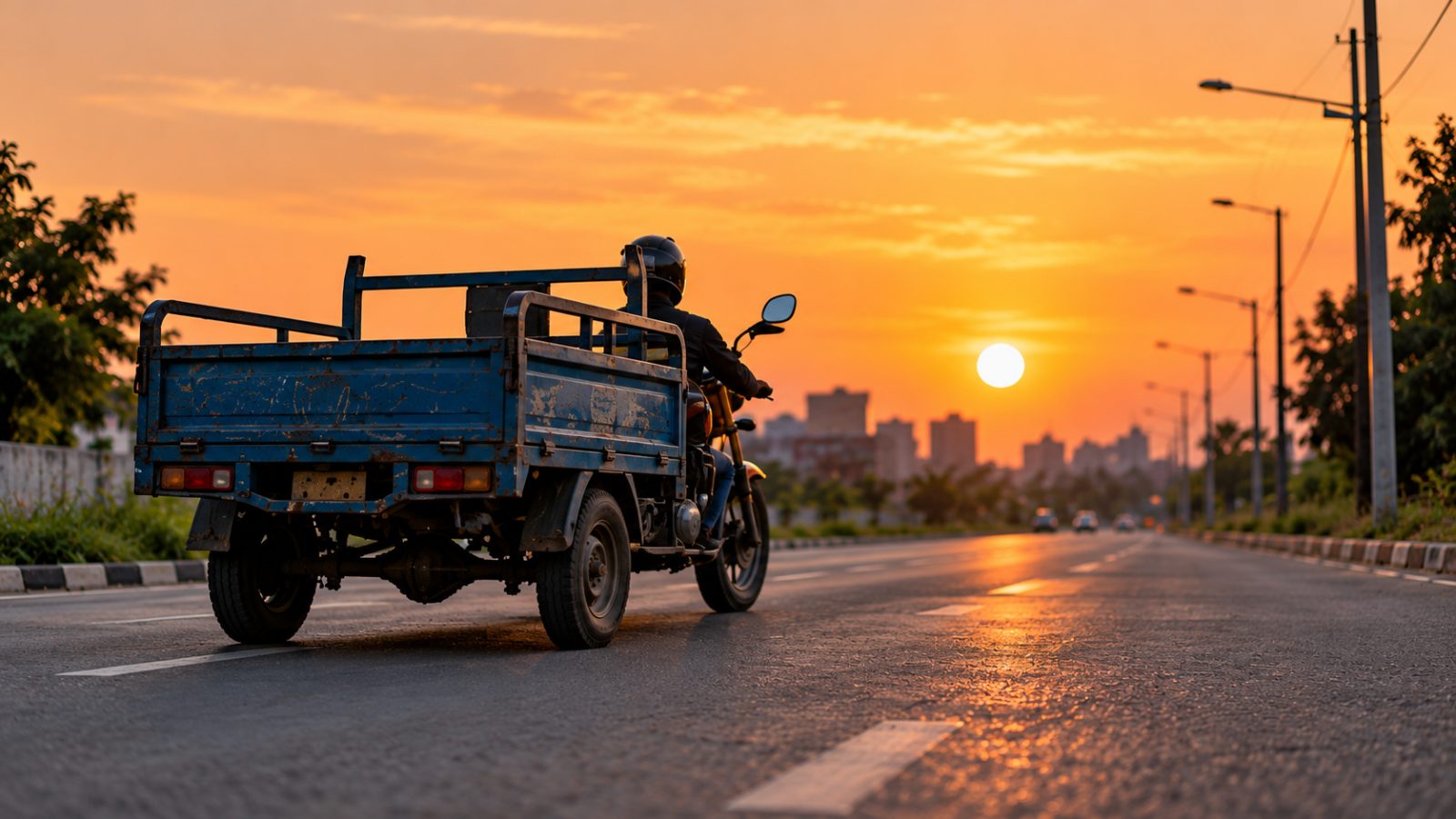
Ask any Nigerian haulier or dispatch operator what keeps them up at night and fuel prices will be near the top of the list. Yet one of the biggest drains on fuel in the sector gets far less attention than it deserves, and that is the vehicle driving back from a delivery with nothing in it.
How big the problem is
Empty running is common across African freight. Studies of trucking corridors on the continent regularly find that a large share of trips, often estimated at a third or more, are made empty or close to empty, usually on the return leg. The pattern is familiar in Nigeria too, where goods flow strongly in one direction, from ports and factories towards cities and markets, and much less in the other.
For a city courier the problem looks a little different but is just as real. A rider who goes out to a single drop and rides straight back to base has used fuel and time on a journey that earned nothing on the way home.
What it costs
The costs are easy to underestimate. Fuel is the obvious one, but every empty kilometre also adds wear on tyres, brakes and engine, uses up the driver's hours, and brings the next service date closer. If a truck is paid for one leg but drives two, the price of that single job has to cover both, which pushes up rates for customers and squeezes margins for the operator.
What it does to emissions
An empty vehicle burns a little less fuel than a full one, but not much less. The emissions from the return trip still have to be counted, and in reporting methods such as ISO 14083 they are shared across the goods that were carried. A vehicle that is empty half the time can roughly double the emissions per tonne of goods compared with one that is loaded both ways. Reducing empty running is one of the cheapest ways to cut freight emissions, because you get the benefit without buying a new vehicle.
What operators can do
Start by measuring it. Few businesses know their own empty running rate, and simply tracking which trips run loaded and which do not is often an eye-opener.
Then look for return loads. Talk to customers in the places your vehicles regularly end up, work with other operators who run in the opposite direction, and use digital freight marketplaces that match spare capacity with goods that need moving. For urban deliveries, planning rounds so that a rider picks up on the way back, or batching drops in the same area, can make a large difference.
Finally, think about where vehicles are based. Sometimes positioning a vehicle closer to where the next job usually starts removes the empty leg altogether.
A shared benefit
Empty running is one of the rare problems where the commercial and environmental case point the same way. Every empty kilometre turned into a paid one makes the business more profitable and the freight cleaner at the same time.